Recycling and Sustainability at Landscaping Regentspark
 At Landscaping Regentspark, sustainability is built into the way outdoor spaces are designed, maintained, and renewed. Our approach to recycling in landscaping focuses on reducing waste at every stage, from pruning and clearance to soil handling and material reuse. We work toward a 75% recycling and recovery target across suitable green waste and project-related materials, helping ensure that organic matter, timber, and inert construction spoil are diverted from landfill wherever possible. By prioritising responsible sorting, careful collection, and reuse-led planning, our team supports a more circular model for garden care and grounds maintenance across the area.
In practical terms, this means separating green waste from general rubbish, keeping recyclable materials uncontaminated, and identifying items that can be repurposed on site before anything leaves the project. Landscaping Regentspark also recognises that local boroughs often take a structured approach to waste separation, with different streams for garden waste, mixed recycling, and residual disposal. We reflect that same discipline in our own operations so that landscaping waste recycling aligns with the wider expectations of the communities we serve.
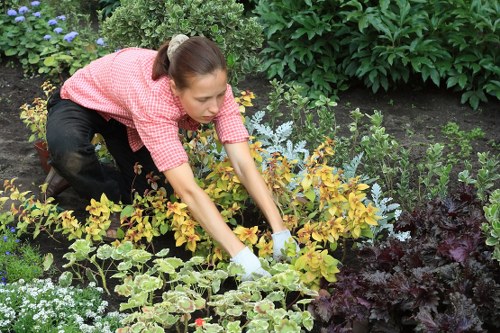 Our team makes use of local transfer stations where suitable, helping ensure collected materials are moved efficiently to the right processing destinations. These facilities play an important role in the journey from site clearance to recovery, particularly when dealing with large volumes of soil, branches, turf, packaging, and inert debris. By working with established local transfer stations, Landscaping Regentspark can improve sorting accuracy and reduce unnecessary transport movements. This contributes to a cleaner workflow and supports the recovery of more materials for composting, screening, or reuse.
We also place strong emphasis on partnerships with charities and community organisations. Where safe and appropriate, reusable items such as pots, edging materials, timber offcuts, and surplus planting accessories may be redirected to charitable partners rather than discarded. These collaborations help extend the life of usable materials while supporting local causes. In this way, Regentspark landscaping recycling is not only about disposal; it is about giving materials a second purpose and reducing the demand for newly manufactured products.
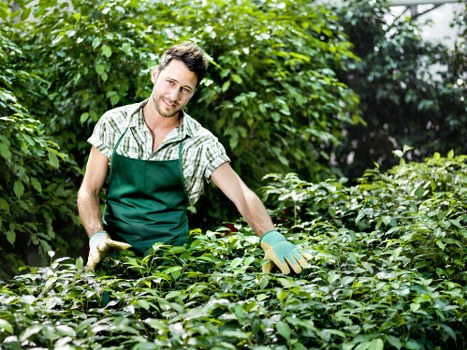 Sustainability extends to the way we travel between sites. Landscaping Regentspark is investing in low-carbon vans to cut emissions linked to transport and daily operations. These vehicles support quieter, cleaner journeys through urban streets and residential neighbourhoods, while also helping us lower our overall environmental footprint. Combined with route planning and consolidated collections, low-emission transport is an important part of our wider green landscaping strategy. It reflects our commitment to reducing carbon not just in the garden itself, but throughout the supply chain that supports it.
Our recycling process also considers the material mix common to local projects. For example, borough-led systems often encourage separation of food waste, dry mixed recycling, garden waste, and bulky items, and we adopt a similarly careful approach when handling landscape materials. Grass cuttings, leaves, and hedge trimmings can frequently be composted or processed into soil improver, while clean timber may be directed into specialist recovery routes. Stone, brick, and concrete from landscape refurbishment may also be sorted for reuse or aggregate recovery when suitable. This detailed method helps landscaping waste management remain efficient and environmentally responsible.
Reusing and recycling materials is especially valuable in an area where green spaces, private gardens, and managed estates all benefit from low-impact maintenance. Landscaping Regentspark aims to minimise avoidable waste by planning material quantities carefully, choosing durable products, and repairing or refreshing items before replacing them. Even simple steps, such as reusing topsoil where it remains viable or retaining healthy mulch for future beds, can make a measurable difference. The result is a more resource-aware service that supports both the appearance and the long-term resilience of outdoor spaces.
We also pay attention to how packaging and operational waste are handled. Plant containers, cardboard, soft plastics, and metal fixings are separated wherever possible so they can be directed into the correct recycling streams. This kind of disciplined sorting mirrors the recycling culture encouraged across many boroughs, where households and businesses are asked to place the right material in the right bin. By applying those same principles to landscaping work, we help reduce contamination and improve the overall success rate of recycling outcomes.
Another key part of our sustainability commitment is training. Our crews are encouraged to identify recyclable materials quickly, avoid cross-contamination, and use disposal routes that prioritise recovery over landfill. This is particularly important on larger maintenance jobs where the volume and variety of waste can increase quickly. By combining staff awareness with efficient logistics, Landscaping Regentspark strengthens its position as a responsible provider of eco-friendly landscaping services and demonstrates how everyday site practices can support a greener local environment.
 Looking ahead, we continue to improve our recycling percentage target through better segregation, smarter procurement, and stronger partnerships across the waste recovery chain. The aim is not simply to move waste away from site, but to keep materials in use for as long as possible and to support local systems that recover value from organic and inert streams. With local transfer stations, charitable reuse routes, and low-carbon vans working together, our sustainability approach remains practical, measurable, and forward-looking.
 Landscaping Regentspark is committed to making every project more sustainable than the last. From compostable green waste to reusable hardscape materials, from borough-style waste separation awareness to low-emission transport, our recycling strategy is designed to reduce impact while maintaining high standards of care. By embedding responsible practices into daily operations, we help create attractive, healthy outdoor spaces that are better for clients, communities, and the environment.